When a crime shatters the peace and the perpetrator vanishes into thin air, investigators face a chilling void. How do you find someone you don't know? This is where the powerful tools of Investigative Techniques & Suspect Profiling come into play, transforming fragments of evidence and behavioral patterns into a roadmap for justice. It’s not about crystal balls; it’s about rigorous analysis, psychological insight, and a deep understanding of human behavior, designed to illuminate the unknown and bring hidden offenders into the light.
This guide will demystify the art and science behind identifying unknown offenders, exploring the core methodologies, their strengths, weaknesses, and real-world applications.
At a Glance: Key Takeaways
- What is Criminal Profiling? It's the process of analyzing crime scene details, victim characteristics, and behavioral evidence to infer an unknown offender's personality, motivations, and likely social characteristics.
- Why is it Used? To narrow suspect pools, prioritize investigative leads, and anticipate an offender's future actions, ultimately aiming to expedite identification and prevent further harm.
- A Historical Tool: The FBI formally adopted criminal profiling in the 1970s, though its principles have been in use since the 1940s.
- Two Main Approaches:
- Top-Down (American/FBI): Categorizes crimes and offenders into pre-existing typologies (e.g., organized vs. disorganized) based on interviews with known serial offenders.
- Bottom-Up (British/Investigative Psychology): Data-driven, using statistical analysis of crime scene data to build a profile from the ground up, often including geographical profiling.
- Not a Magic Bullet: Profiling is a valuable investigative tool, but it's most effective when used alongside traditional police work, forensic science, and other investigative techniques. It offers insights and guidance, not definitive answers.
- Real-World Impact: Profiling has played a role in high-profile cases like Ted Bundy, Wayne Williams, and Andrew Cunanan, demonstrating its potential to influence investigations.
Why Profiling Matters: Bringing the Unknown into Focus
Imagine a jigsaw puzzle with most of the pieces missing. Criminal profiling attempts to sketch the picture on the box, even with limited information. It's a behavioral and investigative tool that leverages psychology, sociology, and criminology to build a portrait of an unseen criminal.
Its primary purpose is strategic: by narrowing down a broad pool of potential suspects, it directs law enforcement resources more efficiently. When time is critical, especially in serial cases or violent crimes, profiling can significantly expedite the identification of an offender and, crucially, minimize the chance of further violence. While observations can carry a degree of subjectivity, the effectiveness of profiling lies in its integration with a broader suite of investigative tools, offering a multi-faceted approach to complex cases.
The FBI's Blueprint: A 7-Step Path to Understanding
The Federal Bureau of Investigation (FBI), a pioneer in formalized criminal profiling since the 1970s, employs a structured, methodical approach to construct an offender profile. This rigorous process ensures that every available piece of information is meticulously analyzed.
Here’s how the FBI typically breaks it down:
- Evaluate the Criminal Act Itself: This initial step involves understanding the nature of the crime—its severity, type, and any unique characteristics. Was it a planned act or impulsive? What was the apparent motive?
- Conduct a Comprehensive Evaluation of Crime Scene Specifics: Every detail of the crime scene matters. This includes the physical environment, the presence or absence of specific items, the method of entry/exit, and any staging. These details provide crucial insights into the offender's behavior during the commission of the crime.
- Perform a Comprehensive Analysis of the Victim: The victim isn't just a casualty; they are often a window into the offender's preferences and motives. Analyzing victim demographics, lifestyle, relationships, and any unique vulnerabilities can reveal patterns or specific target criteria.
- Evaluate Preliminary Police Reports: Initial police reports offer the raw, immediate observations from first responders and early investigators. They capture crucial information before it can be filtered or interpreted, providing a foundational understanding of the immediate aftermath.
- Assess the Medical Examiner’s Autopsy Protocol: For crimes involving injury or death, the autopsy report is indispensable. It provides objective medical evidence about the nature of injuries, cause of death, and details that can inform the timing, force, and weapon used, directly correlating to offender behavior.
- Develop a Profile with Critical Offender Characteristics: After thorough evaluation of the preceding steps, profilers synthesize the data to formulate a detailed profile. This includes likely demographic data (age, sex), psychological traits, behavioral patterns, and potential motivations.
- Provide Investigative Suggestions Based on the Constructed Profile: The ultimate goal is actionable intelligence. The profile culminates in concrete suggestions for investigators, such as interview strategies, geographic areas to focus on, or types of individuals to prioritize in the suspect pool.
Beyond the Basics: Specialized Applications of Profiling
Criminal profiling isn't just for serial murder investigations. Its principles extend to various complex scenarios where understanding an unknown actor's psychology is paramount.
For instance, in hostage situations, profiling plays a crucial role in analyzing the psychological characteristics of hostage-takers. Understanding their motivations, personality traits, and likely behaviors can inform negotiation strategies, de-escalation tactics, and even potential intervention plans, aiming to resolve the crisis peacefully.
Another fascinating application involves identifying anonymous letter writers. Through specialized psycholinguistic techniques, profilers analyze vocabulary tendencies, sentence structure, grammatical errors, and even subtle thematic elements in written communications. This can help create "threat dictionaries" based on specific linguistic patterns, providing clues about the author's age, education level, geographic origin, and even psychological state.
Iconic Cases: When Profiling Shined a Light
The history of criminal profiling is punctuated by notable cases where its application provided critical insights, even if it didn't always lead directly to an arrest. These examples highlight the potential impact of behavioral analysis:
- Ted Bundy (1974-1978): A chilling figure in criminal history, Bundy was profiled based on the strikingly similar characteristics of his victims—typically young, attractive female college students. This pattern, across 28 confessed murders, helped investigators understand his target selection and modus operandi, feeding into early typologies of organized offenders.
- Wayne Williams (1979-1981): In the Atlanta Child Murders, behavioral patterns surrounding the numerous murders of young black males led investigators to Wayne Williams. The profile helped focus the investigation, identifying a suspect whose characteristics and habits aligned with the emerging behavioral evidence.
- Andrew Cunanan (1997): Responsible for a deadly spree of five murders in three months, including fashion icon Gianni Versace, Cunanan was the subject of an intense manhunt guided by a criminal profile. This profile helped shape public warnings and guided law enforcement across state lines, contributing to his eventual identification and the culmination of the investigation.
These cases demonstrate profiling's ability to provide a framework for understanding complex criminal behavior, offering a crucial edge in high-stakes investigations. You can Learn how to get murderer through a deep dive into various investigative strategies, including advanced profiling techniques.
The Two Schools of Thought: Top-Down vs. Bottom-Up Profiling
While the goal of criminal profiling remains consistent—to identify unknown offenders—the methodologies employed can differ significantly. Two primary approaches have emerged, often referred to as the American (Top-Down) and British (Bottom-Up) schools of thought. Each offers a distinct lens through which to analyze crime.
The Top-Down Approach: Categorizing the Criminal Mind (The American Way)
Pioneered in the 1970s by figures like John E. Ressler, Ann Burgess, and Robert Douglas of the FBI's Behavioral Sciences Unit, the Top-Down approach originated from intensive interviews with 36 sexually motivated serial killers, including notorious figures like Ted Bundy. This method starts with a broad understanding of offender types and attempts to fit specific crime details into these pre-existing categories, or typologies.
Hazelwood and Douglas (1980) notably advanced a theory categorizing "lust murderers" into two main types: the organized and the disorganized offender.
Organized vs. Disorganized Offenders: A Closer Look
This foundational dichotomy provides a framework for interpreting crime scene evidence and perpetrator behavior.
- Organized Offenders:
- Characteristics: These individuals often lead seemingly ordered lives. Their crimes are meticulously planned and premeditated, often involving the bringing of weapons or restraints. They typically possess average to high intelligence, are employed, and appear socially adequate. They can be charming and sexually competent, often displaying geographical and occupational mobility. They might have a high IQ and live with a partner, maintaining a façade of normalcy.
- Post-offense behavior: An organized offender might return to the crime scene to relive the event, remove evidence, or even volunteer information to police, enjoying the cat-and-mouse game.
- Interview techniques: Direct, confrontational strategies are often effective, as these offenders prefer to be in control and engage in intellectual sparring.
- Disorganized Offenders:
- Characteristics: These offenders tend to commit crimes impulsively, in moments of passion or opportunity, showing little to no premeditation. They often leave behind a chaotic crime scene, with abundant evidence like blood or the weapon used. They are typically less socially competent, may be unemployed, and are often sexually incompetent or inadequate. They usually live or work near the crime scene, often have a lower IQ, and frequently live alone, struggling with social integration.
- Post-offense behavior: A disorganized offender might also return to the crime scene, but often to relive the event emotionally, perhaps out of guilt or compulsion. They might also keep a diary, news clippings, or other mementos related to their crimes.
- Interview techniques: Empathy and an indirect approach are often more effective. The goal is to build rapport and encourage confession by appealing to their guilt or vulnerability.
How a Top-Down Profile Comes Together
To construct a profile using the Top-Down approach, profilers follow a systematic process:
- Review Evidence: All available physical evidence, victimology reports, and police reports are meticulously examined.
- Classify the Crime Scene: Based on the evidence, the crime scene is classified as primarily organized or disorganized (or a blend), guiding initial assumptions about the offender.
- Reconstruct the Crime: Profilers then attempt to reconstruct the sequence of events and the behavior of the offender during the crime, forming hypotheses.
- Compare to Typologies: These elements are then compared to the established organized and disorganized typologies to infer characteristics of the unknown offender.
The Limitations: Cracks in the Top-Down Foundation
Despite its historical significance, the Top-Down approach faces considerable criticism:
- Reductionist and Simplistic: The organized/disorganized classification is often viewed as overly simplistic, struggling to capture the full complexity and potential evolution of offenders. Real-world criminals rarely fit neatly into one category.
- Limited Applicability: Its original sample was exclusively 36 sexually motivated serial killers. This limits its generalizability to other types of crimes (e.g., fraud, arson) or even to other forms of violent crime.
- Assumption of Stable Behavior: The approach assumes stable criminal behavior and personality traits, yet offenders can and do change their modus operandi over time, adapting to evade capture.
- Determinism and Questionable Assumptions: It has been criticized for being deterministic, assuming that similar offenders will commit crimes in similar ways. However, research by Mokros and Alison (2002) found no shared background characteristics among rapists who offended similarly, challenging this core assumption.
- Data Reliability Concerns: The initial data relied on interviews with manipulative, self-serving offenders. While interviewers were well-briefed, the inherent nature of the subjects raises questions about the absolute reliability of the derived typologies.
- Limited Generalizability (Cultural Bias): The approach is based on American men, potentially limiting its applicability across different cultures or genders. Canter (2004), in an analysis of 100 US murders, found support only for the organized typology, not the disorganized.
- Effectiveness in Solving Cases: Holmes (1998) reported that the Top-Down approach contributed to arrests in only 17% of cases, suggesting its direct impact on apprehension might be lower than often perceived.
The Bottom-Up Approach: Building a Profile from the Ground Up (The British Way)
In contrast to the Top-Down method, the Bottom-Up approach, primarily pioneered by psychologists David Canter and Paul Britton in the UK, is data-driven and avoids initial assumptions about the offender. This method starts with the small details of the crime scene and builds a larger picture by relying heavily on statistical analysis of solved crimes to identify clusters of behaviors and derive objective typologies.
Unpacking Key Concepts
This approach is grounded in specific psychological principles:
- Interpersonal Coherence: This concept posits that an offender's behavior during a crime reflects their everyday interactions and relationships. How they treat a victim, for example, might mirror how they interact with others in their non-criminal life.
- Spatial Consistency: Offenders tend to operate in areas they know well. Canter and Larkin (1993) proposed two categories based on this principle:
- Marauders: Commit crimes close to where they live and feel secure, often within a familiar psychological comfort zone.
- Commuters: Commit crimes away from their usual living area, sometimes traveling over large distances to offend.
Geographical Profiling: Mapping the Offender's World
Spatial consistency forms the basis of Geographical Profiling, also known as Crime Mapping. This technique uses the locations of linked crimes to infer an offender's likely residence or operational base. The Circle Theory of Environmental Range (Canter and Larkin, 1993) suggests that an offender's base is typically situated within a circle encompassing all their linked crimes.
Rossmo (2000) further supported this, noting that criminals generally offend close to home, with the number of offenses decreasing as distance from their residence increases. Godwin and Canter (1997) found that 85% of studied offenders lived within their crime circle, offering strong empirical support. A famous practical application involved the 'Railway Rapist' John Duffy, where Canter's profile was accurate regarding the offender's likely base but did not directly lead to the arrest.
The Strengths and Weaknesses: A Data-Driven Debate
The Bottom-Up approach is lauded for its scientific rigor and broader applicability but also faces its own set of challenges:
- Wider Range of Application: Unlike the Top-Down approach, the Bottom-Up method can be applied to a wider range of offenses, including burglary, car crime, and even terrorism, making it more versatile for law enforcement.
- Scientific Basis: It is considered more scientific due to its foundation in psychological theories and its reliance on statistical analysis of large datasets of solved crimes. This reduces subjectivity compared to the Top-Down method.
- Empirical Support: Geographical profiling, a key component, is supported by various findings. Godwin and Canter (1997) and Snook et al. (2005) found that a significant percentage (e.g., 63% of serial killers) lived within a specific radius of where bodies were found.
- Dependence on Accurate Data: Its effectiveness is heavily reliant on accurate and comprehensive crime data. Issues like under-reporting of crimes or inconsistencies in police recording can significantly impact the reliability of the derived statistical patterns.
- Inconsistencies and Failures: While effective in high-profile cases like John Duffy, there have been notable failures (e.g., the initial profiling in the Rachel Nickell murder case, where the wrong individual was identified).
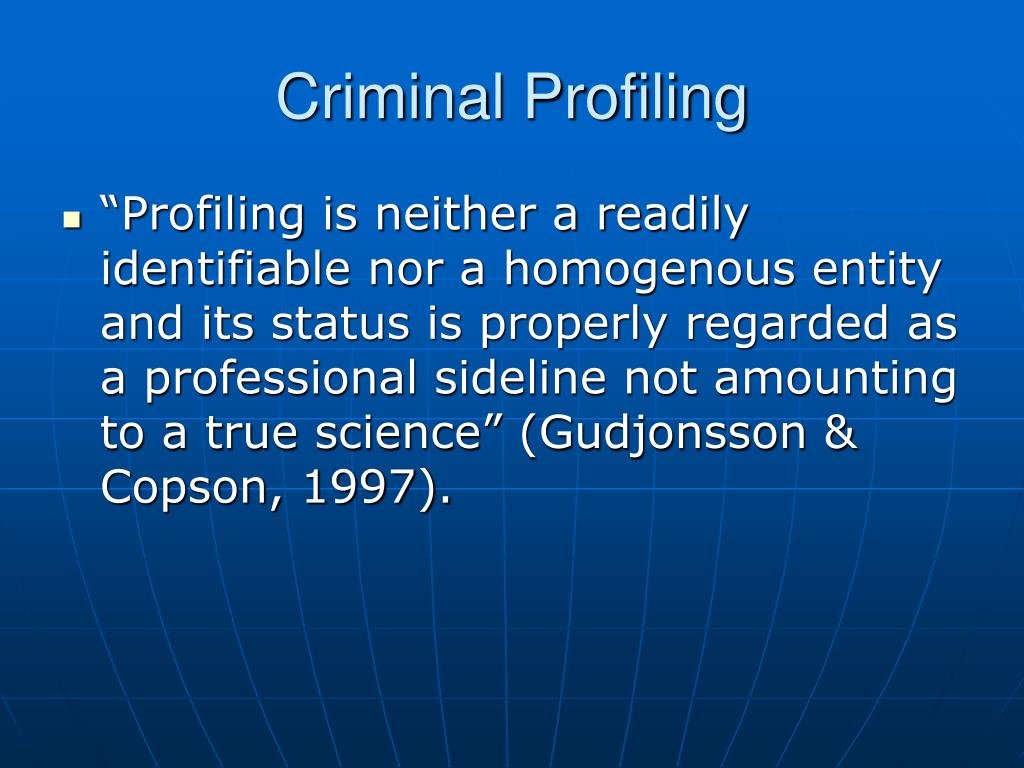
- Limited Direct Impact on Arrests: A survey by Copson (1995) revealed that while detectives perceived profiles as useful in 83% of cases, they directly helped solve crimes in only 14% and contributed to an arrest in just 3%. This suggests its value often lies in guiding investigations rather than directly identifying culprits.
- Lack of Consistency: A criticism has been a lack of consistency among different British profilers, potentially leading to varied interpretations and profiles even when analyzing the same data.
Choosing the Right Lens: When to Use Which Approach?
Neither the Top-Down nor the Bottom-Up approach is a perfect panacea. In practice, seasoned investigators and profilers often integrate elements from both, or choose an approach based on the specific nature of the crime and the available evidence. The Top-Down method can provide a quick initial framework, especially in highly characteristic serial offenses, while the Bottom-Up approach offers a more granular, data-driven analysis for a broader range of crimes.
For cases with rich behavioral data, a blend of psychological insight and statistical validation often yields the most robust results. The key is to understand the strengths and weaknesses of each and apply them judiciously.
Beyond the Profile: Integrating Profiling with Broader Investigation
It’s crucial to remember that criminal profiling is an investigative tool, not a definitive answer. Its role is to provide a hypothesis, a set of informed predictions and characteristics that help steer the investigation in a promising direction. It should never be used in isolation.
A successful investigation seamlessly integrates profiling with traditional police work, forensic analysis, witness interviews, digital forensics, and community intelligence. The profile acts as a filter, helping investigators prioritize leads, develop targeted surveillance, craft effective interrogation strategies, and even communicate with the public more effectively about what to look for. When the profile aligns with other evidence, it strengthens the case; when discrepancies arise, it prompts re-evaluation and deeper analysis.
Common Myths & Hard Truths About Profiling
The dramatic portrayal of criminal profiling in popular culture often creates misconceptions. Let's separate fact from fiction:
- Myth: Profilers are psychics or can "see" the criminal.
- Hard Truth: Profilers are behavioral scientists, psychologists, or experienced law enforcement officers. They rely on empirical data, research, and established psychological principles, not intuition or psychic abilities.
- Myth: A profile will give you the exact name and address of the offender.
- Hard Truth: A profile provides a set of likely characteristics, behavioral patterns, and sometimes geographic parameters. It narrows the field of suspects; it doesn't usually identify a specific individual directly.
- Myth: Profiling is always accurate and leads to quick arrests.
- Hard Truth: Profiling can be highly insightful but is not infallible. Its accuracy depends on the quality and quantity of evidence. As the Copson (1995) study showed, its direct contribution to arrests is relatively low, but its perceived usefulness in guiding investigations is high.
- Myth: Profiling is only for serial killers.
- Hard Truth: While often associated with high-profile serial cases, profiling techniques are applied to a wide array of crimes, including arson, sexual assault, extortion, anonymous threats, and even cybercrimes, especially with the Bottom-Up approach.
Sharpening Your Understanding: Practical Takeaways for Investigators & Enthusiasts
Whether you're an aspiring investigator, a seasoned law enforcement officer, or simply a curious mind, understanding investigative techniques and suspect profiling offers profound insights into human behavior and the pursuit of justice.
Here are some key takeaways:
- Embrace Multidisciplinary Thinking: The most effective investigations synthesize insights from psychology, sociology, forensics, and traditional policing. Don't silo information; cross-pollinate ideas.
- Prioritize Data Accuracy: The reliability of any profile, especially those derived from Bottom-Up methods, hinges on the accuracy and completeness of the raw data. Meticulous crime scene processing and reporting are paramount.
- View Profiling as a Guide, Not a Decree: A profile is a dynamic hypothesis, a living document that should evolve as new evidence emerges. It's a powerful tool for generating leads and focusing resources, not a substitute for traditional detective work.
- Recognize the Human Element: Both the profiler and the offender are human. Bias can creep in, and offenders can adapt. Critical thinking and continuous re-evaluation are essential to avoid tunnel vision.
- Stay Informed: The field of behavioral science and investigative psychology is constantly evolving. Keep abreast of new research, technologies, and methodologies that enhance our ability to understand and identify unknown offenders.
The journey to identifying an unknown offender is complex and often arduous. But with the thoughtful application of advanced investigative techniques and suspect profiling, the shadows can recede, and the path to justice becomes clearer.